


BPA Guide: Everything you need to know about BPA and Packaging

BPA will be banned for food use in the EU from July 20 2026, whilst a ban is also in the pipeline for the UK. In May 2026, following consultation, the UK's Bisphenol A (BPA) ban will no longer follow the same timeline as the EU, and UK time frames are still to be decided.
So what is BPA? Which types of packaging are affected? And what do businesses need to know? In this guide, we take a closer look at the reasons behind the ban and explore what happens next.
What is BPA, and why is it being banned?
BPA is one of the most widely produced chemicals. It is used as a plasticiser, to add flexibility to plastics, as well as a monomer, or building block, to create polymers such as polycarbonate. This is why it can be found in such a wide range of products, from plastic packaging to resins, and from bottle tops to can linings.
However, despite its many practical uses, there is evidence that BPA is harmful. This is why the use of BPAs in food packaging is controversial and subject to strong regulation. BPA can potentially leach into foods, particularly at higher temperatures. This is of concern because BPAs can interfere with endocrine disruptors affecting the reproductive system, immune system and foetal development.
What type of packaging is affected by the UK and EU's BPA ban?
The ban on BPA is focused on food packaging in particular. This means that BPA can not be used for anything that comes into contact with food. This includes materials, such as plastic used for single-use water bottles, as well as liners, laminations, adhesives or varnish that may come into contact with food.
The main products affected by the BPA ban are:
- Polycarbonate plastic products, such as water bottles and food containers
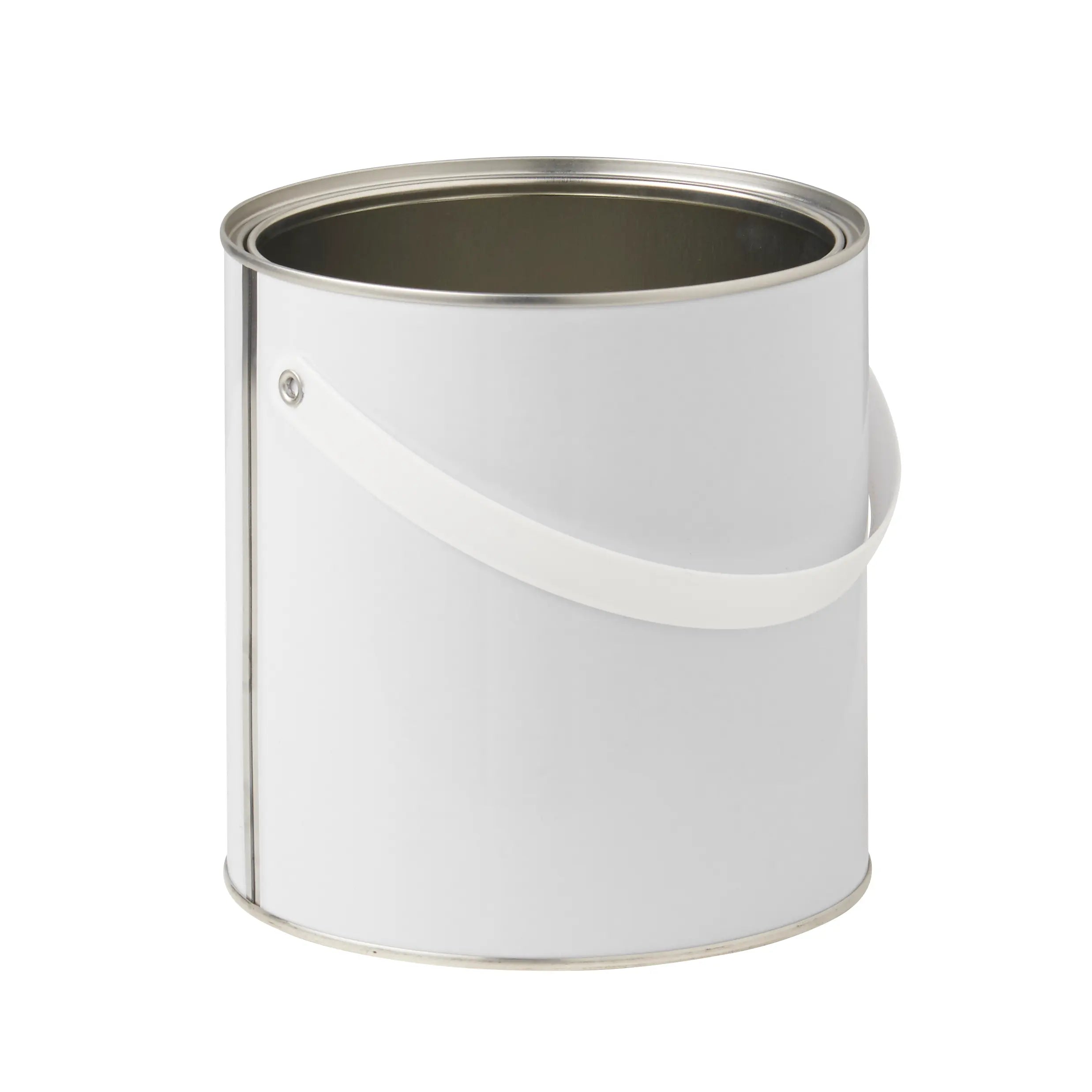
- Metal food cans, due to their use of internal protective lacquer
- Aluminium bottles, when internal protective lacquers are used
 Tournaire has offered a tried and trusted BPA-free lacquer option for many years
How will the EU ban on BPA affect UK businesses?
Since Brexit, mainland UK is not bound by EU packaging legislation; however, this does not mean that UK businesses will be unaffected. The main impact is likely to be felt in two key areas: the type of packaging that is made by European manufacturers and that is available to buy, and the type of packaging that can be used for exporting goods into the EU and Northern Ireland.
The key dates for EU Regulation 2024/3190 are as follows:
- January 20 2025: The use of BPA and its salts in the manufacturing of food contact materials is banned
- July 20 2026: Final food contact articles complying with previous rules can be sold until this date
- January 20 2028: Repeat-use items used in food production can be used until this date
- January 20 2029: All non-compliant repeat-use food contact materials must be off the market
Is BPA banned in the UK?
In the UK, BPA is already banned from products and packaging intended for infants and young children, such as baby formula, feeding bottles and beakers. In October, the FSA proposed a full ban on BPA, with consultation completed on December 24th 2025. In March 2026, the FSA announced that a UK-wide BPA ban would be introduced in line with Europe, and to a similar timeline. However, the UK has now rolled back on this position. BPA will be banned in the UK, but the timeline for this is yet to be decided.
It makes sense for food businesses to check whether their packaging is BPA-free, so that they can test alternative packaging if necessary, ahead of these legislative changes.

Invopak's food tubs and buckets are BPA-free and food-safe
How can Invopak help?
Invopak's plastic buckets and plastic bottles have always been BPA-free, which means any food businesses that use these products are unaffected by the ban.
Tournaire have pioneered the use of a BPA-free internal coating (VSB), which has been successfully used for many years across a wide range of applications. This facilitates the move for customers using BPA-based coatings for EU food-contact applications to transition to BPA-free alternatives ahead of the July 2026 EU deadline.
Regulatory anticipation and coating innovation have long been part of Tournaire’s technical expertise and market leadership. Any businesses that are affected can contact their account manager or our sales team for advice or to request product samples for testing.
You can find out more details about the EU's BPA ban at the European Commission's website, or head over to the FSA for the latest on the UK's position on the issue.
Article Updated: May 2026
More blog posts:
View all-
 Blog 02/10/26Susie Chillcott
How are the EU's BPA Restriction...
The EU’s Bisphenol A (BPA) ban came into force this Summer, but as the UK debates the details of UK legislation, what will the European restrictions mean for businesses? The...
Published: 02/10/26Susie ChillcottHow are the EU's BPA Restriction...
The EU’s Bisphenol A (BPA) ban came into force this Summer, but as the UK debates the details of UK legislation, what will the European restrictions mean for businesses? The...
-
 Blog 21/09/26Susie Chillcott
Trade Credit vs Card Credit: Why...
Once upon a time, “Cash was King”, but in today’s competitive markets, “Credit is King”. But not all credit is the same, and it pays to know the difference. A...
Published: 21/09/26Susie ChillcottTrade Credit vs Card Credit: Why...
Once upon a time, “Cash was King”, but in today’s competitive markets, “Credit is King”. But not all credit is the same, and it pays to know the difference. A...
-
 Blog 12/08/26Susie Chillcott
Packaging Legislation Guide 2026
2026 is a pivotal year for packaging regulations in the UK and EU. The EU's Packaging and Packaging Waste Regulation (PPWR) comes into force on 12th August 2026, and in...
Published: 12/08/26Susie ChillcottPackaging Legislation Guide 2026
2026 is a pivotal year for packaging regulations in the UK and EU. The EU's Packaging and Packaging Waste Regulation (PPWR) comes into force on 12th August 2026, and in...


